






Fitness & Exercise Support
Exercise during and after cancer treatment
Being diagnosed with cancer can affect your strength, fitness, energy levels, and overall wellbeing. Staying active during and after treatment can help you maintain physical function, manage side effects, and support your recovery.
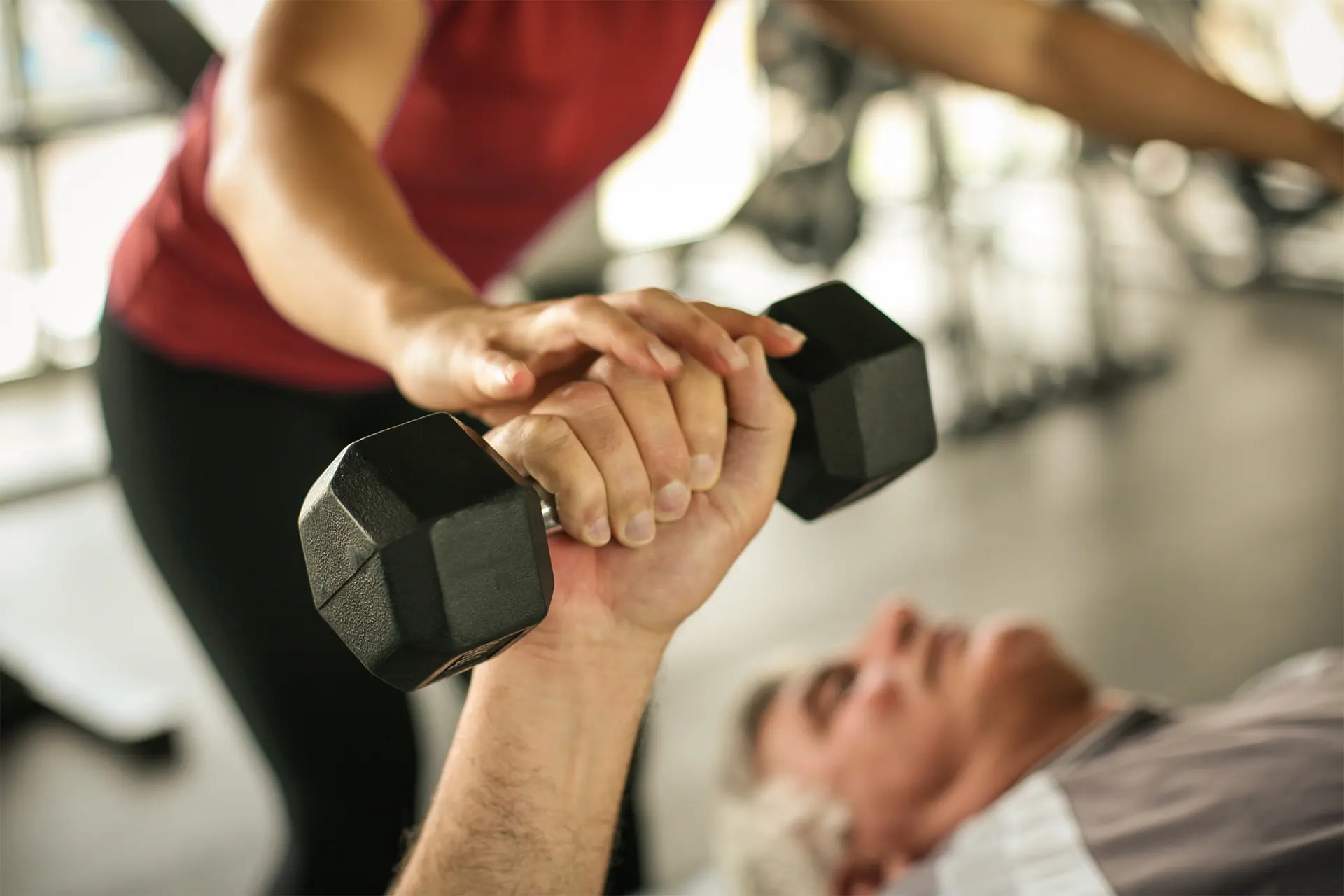

Why exercise during cancer?
Whether your goal is to walk further, regain strength, improve balance, return to work, or simply feel more like yourself again, an individualised exercise programme can help you achieve it.

Why is exercise important during cancer treatment?
Research shows that appropriate exercise can be beneficial before, during, and after cancer treatment. Regular physical activity may help reduce treatment-related side effects and improve quality of life. Exercise may help:
- Improve strength and fitness
- Reduce cancer-related fatigue
- Improve balance and flexibility
- Support heart and lung health
- Reduce stress and anxiety
- Improve mood and emotional wellbeing
- Maintain independence and mobility
- Support recovery during and after treatment
- Improve overall quality of life

Who can benefit?
Exercise support may be beneficial if you:
- Are preparing for cancer treatment
- Are currently undergoing treatment
- Are recovering from surgery, chemotherapy, or radiation therapy
- Feel weaker or less active than before treatment
- Experience fatigue or reduced fitness
- Want support exercising safely
- Are looking to rebuild strength and confidence
Exercise programmes can be tailored to people of all ages, fitness levels, and stages of treatment.
Personalised exercise support
If you would like additional support with exercise during or after cancer treatment, Under the Canopy can connect you with specialist exercise professionals who understand the unique challenges of cancer and recovery.
Working one-on-one with an experienced exercise specialist, you'll receive a personalised programme tailored to your condition, current fitness level, and individual goals. Whether you want to improve your strength, increase your mobility, reduce treatment-related fatigue, return to activities you enjoy, or simply feel more confident in your body, your programme will be designed around what matters most to you.
Ascend Health
Ascend Health provides medically supervised exercise rehabilitation services for people who have experienced a cancer diagnosis.Their programmes are designed to help reduce treatment-related side effects, improve physical function, enhance wellbeing, and support recovery. All exercise programmes are individually prescribed and delivered under professional supervision.
FAQs
For most people, yes. Exercise programmes can be adapted to your individual health needs, treatment plan, and fitness level. Always discuss any concerns with your healthcare team.
Yes. Research has shown that regular physical activity can help reduce cancer-related fatigue and improve energy levels.
Exercise can be beneficial before, during, and after cancer treatment. Starting early may help maintain physical function and support recovery.
Not at all. Exercise programmes are tailored to your current abilities and can begin at a level that feels comfortable and achievable for you.
Walking, cycling, swimming, strength training, stretching, yoga, Pilates, and Tai Chi are all common forms of exercise that may be included in a programme.