





Physical rehabilitation services
Cancer and its treatment can affect your body in many different ways. You may experience fatigue, pain, muscle weakness, reduced mobility, balance problems, or find everyday activities more difficult than they used to be.

How Physical rehabilitation can help you
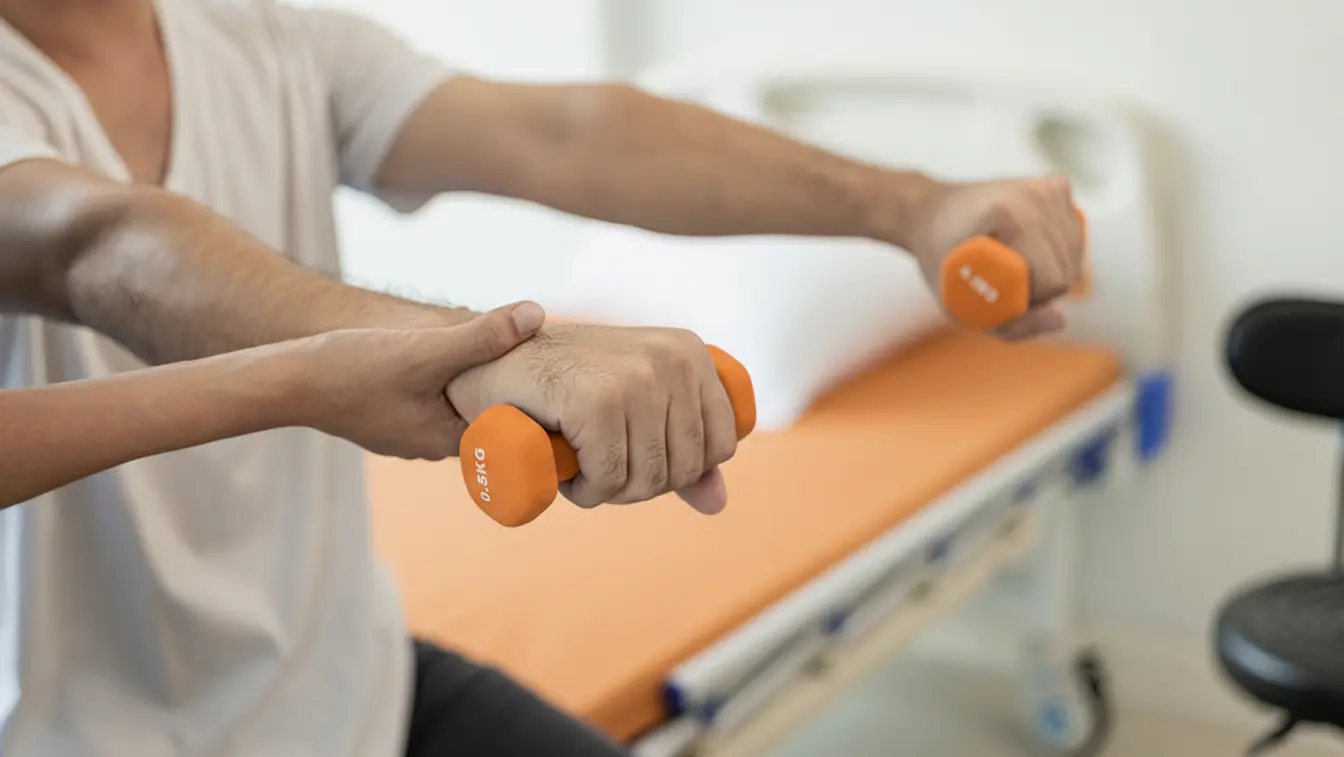
Physical rehabilitation can help you manage these challenges, improve your recovery, and support your return to the activities that matter most to you. Our rehabilitation team works alongside you to create a personalised plan that is tailored to your needs, treatment, and goals.

Benefits of Physical Rehabilitation
The earlier rehabilitation begins, the greater the opportunity to prevent long-term problems and support a successful recovery.
Physical rehabilitation can help you:
- Improve strength and mobility
- Reduce pain and discomfort
- Manage cancer-related fatigue
- Increase energy levels
- Improve balance and coordination
- Support recovery after surgery or treatment
- Maintain independence in daily activities
- Improve confidence and wellbeing
- Reduce the impact of treatment-related side effects
- Enhance your overall quality of life
Who is this service for?
You may benefit from rehabilitation if you:
- Feel weaker than before your cancer diagnosis
- Experience pain, stiffness, or soreness
- Tire more easily than usual
- Have difficulty moving around or exercising
- Notice reduced strength, flexibility, or fitness
- Are finding it difficult to return to your normal daily activities
- Want guidance on exercising safely during or after treatment
- Are preparing to return to work, sport, or other activities
- Experience difficulties with balance, concentration, or memory
Many people find that rehabilitation helps them feel more confident, capable, and in control of their recovery.
What to expect
Your first appointment typically includes:
- A comprehensive assessment
- Discussion of your symptoms, concerns, and goals
- Development of a personalised rehabilitation plan
- Practical advice and exercises tailored to your needs
Your treatment plan will then be adjusted as your recovery progresses.
Physical rehabilitation can be beneficial:
- Before treatment
- During treatment
- After treatment
- During long-term recovery and survivorship

Supporting you at every stage
Whether your goal is to walk further, return to work, participate in exercise, or simply feel more like yourself again, rehabilitation can help support your journey.
This version is more conversational, removes repetition, focuses on patient benefits, and is better aligned with modern healthcare website content and SEO around terms such as cancer rehabilitation, cancer physiotherapy, fatigue management, recovery after cancer treatment, and exercise during cancer treatment.

How to access Physical Rehabilitation services
Physical Rehabilitation services are available through selected Canopy Cancer Care locations.
Talk to your treating specialist, nurse, or care team about whether physical rehabilitation services may be beneficial for you. We can help connect you with the most appropriate service based on your needs and location.
For more information, please speak with your Canopy Cancer Care team or contact us [email protected]
FAQs
Cancer rehabilitation helps people maintain or regain their strength, mobility, fitness, and independence during and after cancer treatment. It can help manage treatment side effects, improve physical function, and support recovery.
Rehabilitation can be beneficial at any stage of your cancer journey. Some people begin before treatment to prepare their body, while others start during or after treatment to help manage side effects and recovery.
Your physiotherapist will discuss your medical history, current symptoms, concerns, and goals. They will assess your physical function and work with you to develop a personalised rehabilitation plan.
Yes. Research shows that appropriate exercise can help reduce fatigue, improve strength and fitness, support mental wellbeing, and improve quality of life during and after cancer treatment.
Absolutely. Cancer-related fatigue is one of the most common side effects of treatment. Your physiotherapist can provide strategies and exercises specifically designed to help manage fatigue and improve energy levels over time.
Yes. Your rehabilitation programme will be tailored to your individual needs, treatment plan, and current health status to ensure activities are safe and appropriate for you.
Yes. Rehabilitation can help improve movement, strength, flexibility, balance, and confidence following surgery, helping you return to everyday activities more comfortably.
If you have swelling related to cancer treatment, your physiotherapist can assess your symptoms and discuss appropriate management strategies or refer you to specialist lymphoedema services if needed.
This varies from person to person. Some patients benefit from a small number of sessions and a home exercise programme, while others may require ongoing support depending on their goals and recovery needs.
Yes. Most rehabilitation programmes include exercises and practical strategies you can continue at home to help maximise your progress between appointments.
Not at all. Rehabilitation is suitable for people of all fitness levels. Your programme will be tailored to your current abilities and progressed at a pace that is right for you.
Our team of PINC & STEEL Cancer rehabilitation physiotherapists run individualised cancer rehabilitation sessions through private clinics throughout New Zealand. A certified PINC & STEEL cancer rehabilitation physiotherapist in the closest clinic to your home address will then contact you to book an appointment. The first session is for an hour and includes an assessment of your needs and issues and a rehabilitation plan will then be devised for you.
| Cancer rehabilitation can include: | |
| Manual physiotherapy | Integration back to work, exercise classes, gym or sport |
| Musculoskeletal and functional assessments | Scar management |
| Scar management | Pain relief |
| Joint mobilisation | Breathing technique and education |
| Pelvic floor retraining | Individualised Clinical Pilates |
| Strength and conditioning training | Exercise prescription |
| Fatigue management | Physical and functional assessments |
| Exercise prescription |
Team
Pinc & Steel International
Pinc & Steel International was founded by Lou James to provide world class cancer rehabilitation programmes, services and products to help people affected by any type of cancer, all ages and fitness levels. She specifically developed physiotherapy techniques to facilitate recovery and ultimately improve quality of life for people during and after cancer treatments. Lou has developed a national network of physiotherapists all specifically trained to ensure that our patients have the best possible chance of recovery.
Kath Broad
Kath is a qualified Physio and Lympodema therapist with extensive experience in acupuncture and vocational rehabilitation.
Kate Wallis
Kate is a qualified Physiotherapist and Pilates instructor who sub-specialises in oncology physio. Her areas of interest include exercise therapy and post-operative rehabilitation. Kate takes a holistic approach with her clients, encompassing the physical and mental aspects of treatment and recovery.